
Following Solta history across the island
Solta history is spread between inland villages, ancient remains and coastal settlements. The name Olynta appears in the account associated with Pseudo-Skylax in the fourth century BC. Roman settlement remains and villae rusticae add another layer, while early Christian traces survive around Grohote. These places make more sense as parts of a lived landscape than as a single monument to tick off.
Begin with the contrast between the agricultural interior and the waterfront. Olive groves and fields belong to the same story as stone houses, courtyards and harbours. For an independent visit, the ferry and arrival guide explains the approach through Rogač. Choose a few linked stops rather than trying to turn every historical reference into a separate excursion.
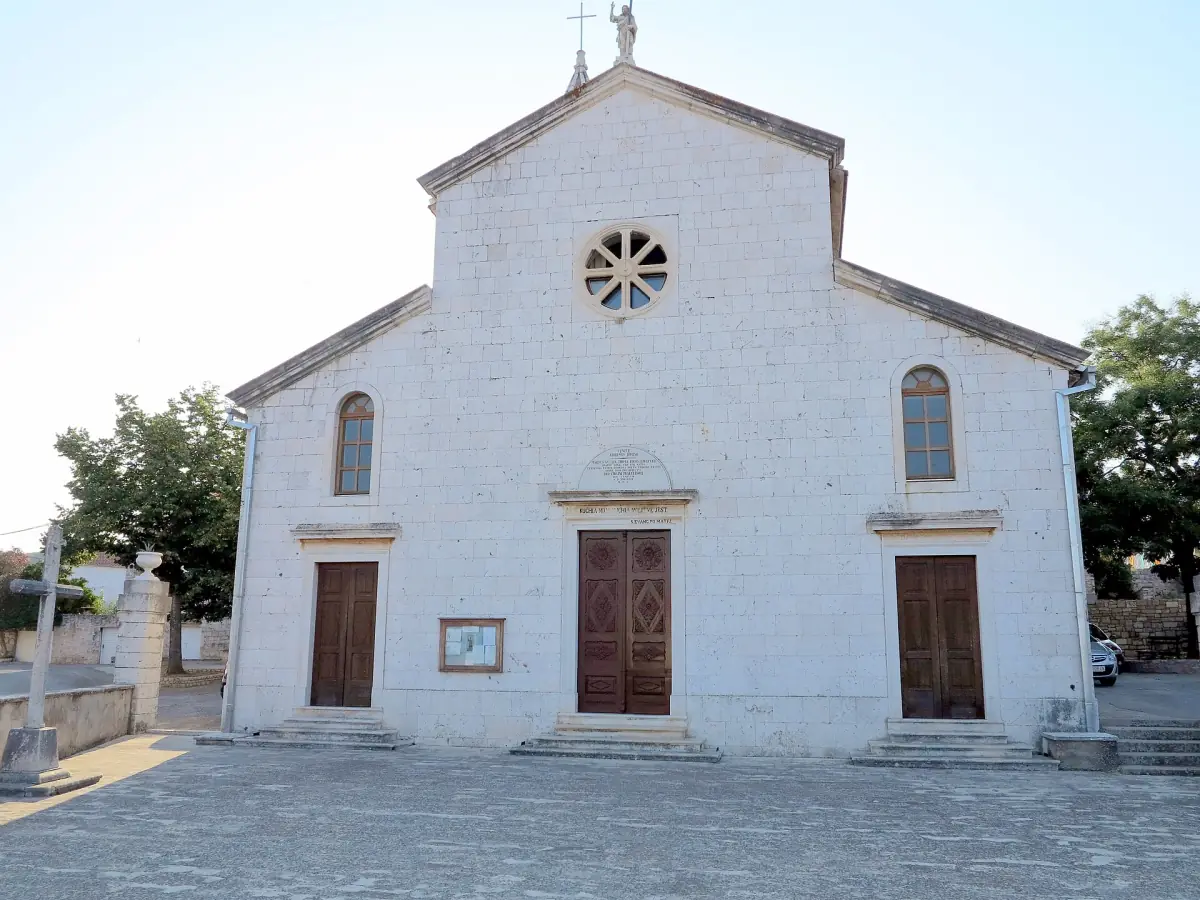
Grohote and the early Christian traces
Grohote is the largest and oldest island settlement and its administrative centre. It stands beside the agricultural field at the road junction linking Stomorska, Maslinica and Rogač. The narrow, irregular lanes, stone dwellings, courtyards and konobas give a visit a different focus from a swim stop on the coast. Look at the relationship between houses and shared spaces as well as individual facades.
Near the church of Sv. Stjepan, early Christian basilica remains and sarcophagi connect the village to an earlier religious landscape. Keep the ancient remains and the present village distinct when planning your walk. Arrange any desired interior visit separately from a stroll through the lanes, and leave room for the journey back to the port. The island overview places Grohote among the other settlements.
A guided look at Šolta villages
This organized island tour includes guided visits in Grohote and at a castle, along with Maslinica.
Hand-picked tours, booked through GetYourGuide. Prices are indicative starting prices in euros (as of October 2026). Tap a tour for live availability and the current price in your currency.
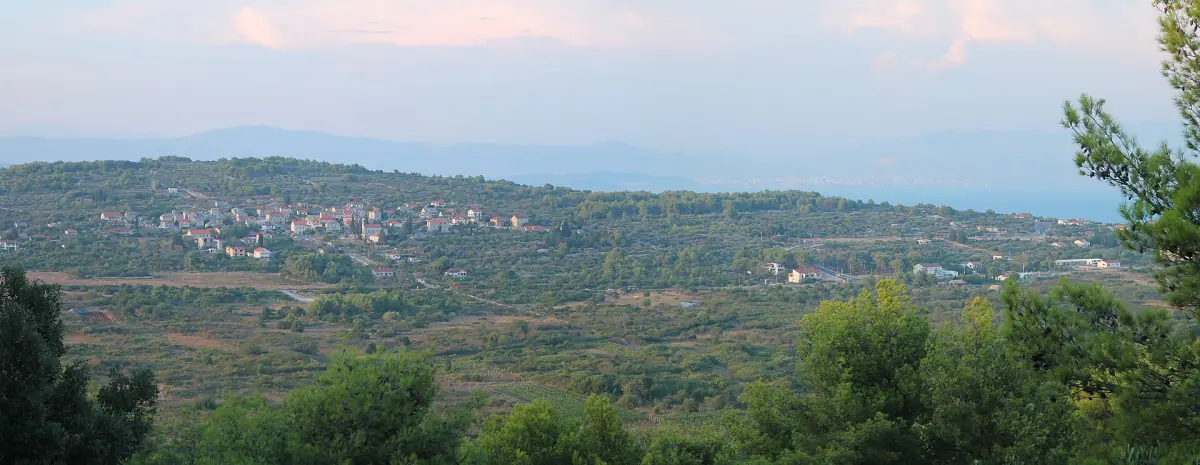
A guided day through Šolta’s villages
Visit Grohote, Donje Selo and Maslinica with pickup and a ferry crossing; tastings and seafood lunch come with the All-inclusive upgrade.
Walking tour: an organised island day
The eight-hour guided island excursion combines pickup, a ferry crossing of the Split Channel, a guided visit to Grohote, Donje Selo and a tour of Maslinica. Its programme also includes a guided tour of an eighteenth-century Baroque castle, a nautical bay and the Marjan Hill viewpoint. It suits visitors who want inland villages and a harbour in the same organised day.
Tastings, carpaccio and a seafood lunch belong to the All-inclusive upgrade. Keep that choice separate from the core sightseeing programme when comparing options. This is a guided island excursion rather than an individual scheduled-ferry ticket. Its Grohote and Maslinica visits also give it a different emphasis from the swimming itineraries on the boat tours page.
Architecture in Maslinica and the villages
Maslinica developed around the fortified Marchi family complex of 1708. The stone architecture and harbour together explain why this western settlement feels different from inland Grohote. A waterfront visit lets you consider the relationship between the complex, surrounding houses and the sea. Read the Maslinica guide if you also want to continue towards Šešula.
Roman rural estates, early Christian remains and the later fortified complex belong to different periods. Keeping those layers separate is more useful than assigning one date to all the stonework you encounter. Teuta’s connection with a fortress above Senjska belongs to local legend. Treat it as a story associated with the landscape, rather than evidence of a royal residence you can visit.
Olive oil, honey and Dobričić wine
The island’s agricultural character remains part of its culture. Šoltanka, also called Levantinka, and Oblica are local olive varieties. Rosemary honey is another island product. These traditions give the fields around the villages a place in your visit, beyond their role as scenery between coastal stops. An inland day is a useful choice when food culture interests you as much as bays.
Dobričić is Šolta’s indigenous red grape. Along with Crljenak Kaštelanski, it is a parent of Plavac Mali. A tasting can therefore add a specific island connection to a village itinerary. On the guided excursion featured here, wine and oil tasting come with the All-inclusive upgrade. Choose that option for the tasting element; a drink served on a different boat trip is a different experience.
Questions about your visit
Where should I start with the island’s history?
Grohote brings together traditional stone lanes and early Christian traces. Maslinica adds the Marchi complex of 1708 and a western harbour setting. Together they provide a useful introduction to different periods.
Does the guided day include a wine tasting?
Wine and oil tasting are part of the All-inclusive upgrade. The core excursion includes pickup, the ferry crossing and guided island visits, so choose the option that matches your interest in local food and wine.
Does a boat swimming trip cover the historical villages?
Choose the organised land excursion for guided visits to Grohote and Maslinica. A boat itinerary built around swimming has a different purpose; compare the named stops rather than treating all island day trips as the same route.