
Use Solta weather to choose your season
Solta weather matters differently for a boat outing, a village walk and a cycling route. High summer brings the warmest conditions in the regional historical record, while late spring and early autumn offer a more moderate comparison for active days. Your preferred activities are a better starting point than a promise that a particular month will suit every plan.
The climate reference here is DHMZ's Split-Marjan station on the mainland. It is not an island measurement or a forecast for 2026. Coastal bays, exposed sea routes and inland slopes on Šolta can feel different. Use the monthly figures to compare seasons, then choose specific boat outings and days ashore with the short-term weather in mind.
Monthly climate: winter and spring
The following figures are historical monthly mean air temperatures and precipitation for Split-Marjan over 1948 to 2024. They are not average daily highs, island observations or predictions for your trip. In January the monthly mean is 8.0°C with 77.8 mm of precipitation; February has 8.5°C and 65.2 mm; March has 10.8°C and 63.2 mm.
April rises to a mean of 14.4°C with 62.0 mm, while May reaches 19.2°C with 57.5 mm. This seasonal warming provides useful context for walking between inland villages and coastal settlements. It does not establish the temperature on a particular afternoon or a guaranteed swimming season. For a stay focused on village lanes and agricultural landscapes, compare the route you want to walk with the day's forecast and allow flexibility for wet weather.
Summer and autumn in the same historical record
June's monthly mean is 23.4°C with 49.0 mm of precipitation. July reaches 26.2°C with 26.6 mm, and August has 25.9°C with 41.3 mm. In this 1948 to 2024 record, July is the driest month. Use the short-term forecast to find a suitable dry day, and keep mean air temperatures separate from sea temperatures.
September has 21.6°C and 70.9 mm, October 17.2°C and 77.0 mm, November 12.7°C and 115.5 mm, and December 9.4°C and 103.7 mm. November is the wettest month in this record. As an editorial interpretation of these historical patterns, late spring and early autumn are worth considering for active exploration compared with the hottest part of summer. Rain remains part of planning in every season.
A boat day around Nečujam
For a boat day when conditions allow, this trip combines Nečujam with lunch and snorkeling gear.
Hand-picked tours, booked through GetYourGuide. Prices are indicative starting prices in euros (as of October 2026). Tap a tour for live availability and the current price in your currency.
A boat day for your seasonal plans
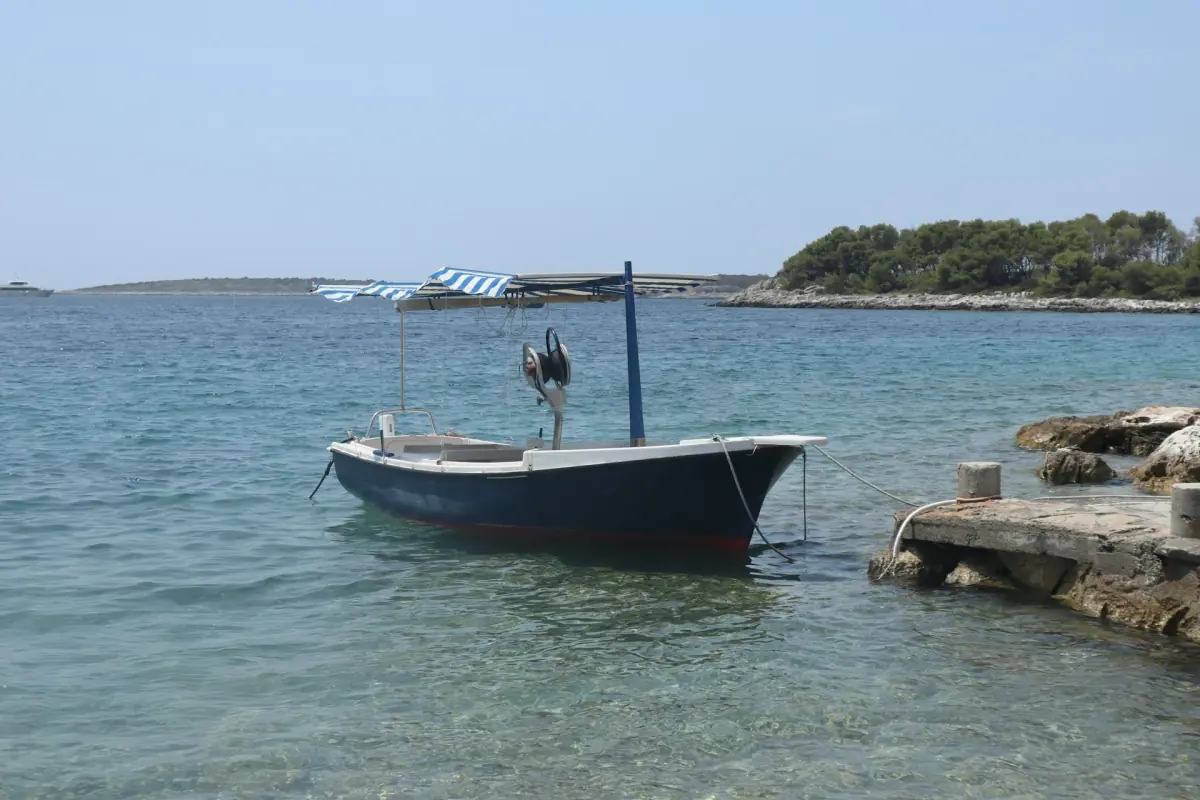
An 8-hour outing with a Nečujam stop, lunch, mask and snorkel; the start depends on the option you select.
A seasonal boat option with lunch
The 8-hour lagoon and Šolta outing includes a Nečujam Bay stop, an English-speaking crew, lunch and a mask and snorkel. Lunch offers grilled chicken, grilled fish or pasta with a vegan milanese sauce. Water and iced tea, lunchtime wine, welcome wafers and cherry brandy, and fruit on the way back are included. The meeting point depends on the selected start option.
Treat it as a seasonal possibility within your plans rather than assuming it runs on every date. The snorkelling guide explains the equipment and route differences between outings. When a water day is your priority, leave space in your stay to respond to the marine forecast instead of tying every activity to a single fixed sequence.
Walking and cycling in warmer months
The tourist board recommends early mornings for summer cycling. This is particularly relevant to routes that climb from the coast or combine roads with gravel and singletrack. A coastal starting point does not make the island's inland routes flat. Decide which surface and gradient suit your experience, then put the more demanding activity in the cooler part of your day.
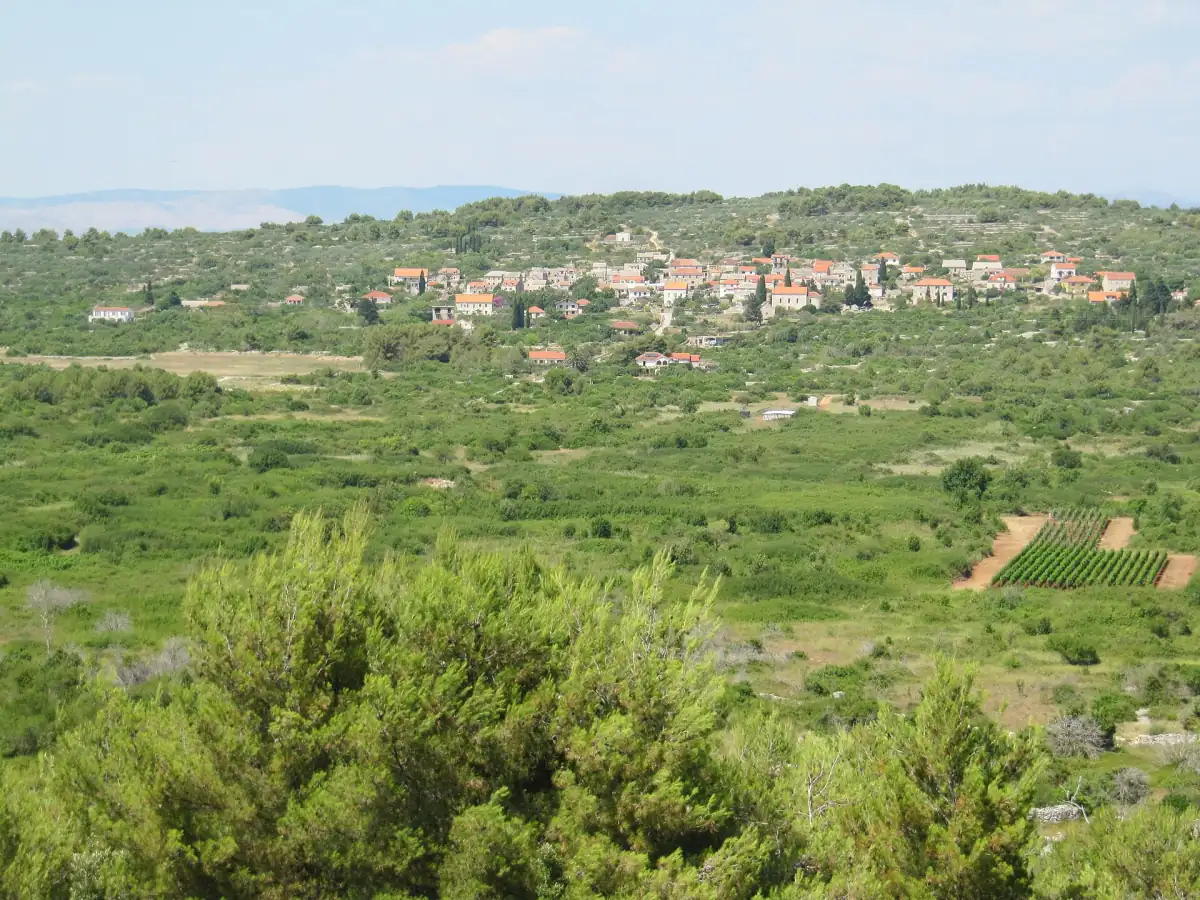
For a gentler setting to explore, the Rogač waterfront family route differs from the more technical island routes. Around Maslinica, coastal paths and links towards inland villages give a different kind of outing from a full island circuit. Carry what you need for the walk and use actual route conditions rather than estimating effort from the season alone.
Boat days, swimming and ferry journeys
Short-term wind and sea information matters more than a monthly air average for an excursion to the Blue Lagoon and Šolta. Follow the crew's instructions, and select the trip according to its own operating dates and cancellation terms. The season described by one operator should not be applied to every island boat.
For swimming, choose the specific shore access and read local notices on the day. Some southern bays are exposed to southern winds; Livka also has warnings about passing-ship waves. Use the beaches and access guide to match the bay to your plans. Scheduled crossings also deserve weather awareness, so keep current sailing information alongside your ferry arrangements.
What the historical periods mean
DHMZ also has an older Split-Marjan normal-period table for 1971 to 2000 with mean daily maxima, mean daily minima and rainfall. Those are different statistics from the monthly mean series used here. Keep the periods and measures separate when comparing another climate table. Historical reference data can help you choose a season, while current forecasts and local conditions guide the actual day.
Questions about your visit
Are these temperatures measured on Šolta?
They come from Split-Marjan on the mainland. The monthly mean figures above use the historical period 1948 to 2024.
Which month was driest in that record?
July had mean precipitation of 26.6 mm in the Split-Marjan 1948 to 2024 series. That does not promise a rain-free trip.
Can a warm month guarantee a boat day?
Choose the actual sailing date using the short-term wind and sea forecast and the selected trip’s operating arrangements. Climate means describe a different timescale.